科学・技術分野における応用AIリサーチ — 研究連携のご提案
We develop AI-driven tools and platforms across biomedical image analysis, IoT medical devices, and cybersecurity data processing — actively seeking research partnerships with academic institutions and research groups.
3つの中核研究領域
Custom data pipeline service for research teams. We take your raw experimental data — images, video, audio, sensor logs — build tailored AI-enhanced processing pipelines, and return clean, structured results. You focus on research; we eliminate the processing bottleneck.
Full-stack medical device engineering in active co-development with the Hospital of Pardubice — covering embedded firmware, hardware design, and server-side IoT infrastructure for clinical deployment.
Automated analysis and processing of security event data. Tooling for structured extraction, correlation, and reporting from diverse cybersecurity data sources. Available at cyber.hextech.cz.
AIを活用した実験データ自動処理プラットフォーム
Aurora is a custom data pipeline service — we partner with research teams to design, build, and operate automated processing workflows tailored to their specific experimental data. Researchers send us their raw data; we return structured, analysis-ready results in a fraction of the time it would take manually.
The bottleneck in most research isn't collecting data — it's processing it. A single experiment can generate hundreds of images, recordings, or sensor logs that require hours of repetitive manual work before any real analysis begins. Aurora eliminates that bottleneck entirely, enabling teams to scale their research without scaling their workforce.
We work with images, video, audio, and sensor streams. Using combinations of AI models, custom filters, and domain-specific algorithms, we extract meaningful data points — colony counts, band intensities, structural measurements, labels, classifications — and consolidate them into clean databases ready for statistical analysis. Every pipeline run is human-supervised to guarantee consistent, auditable results.
All processed data is stored in our secure cloud infrastructure with access controls, versioning, and export options configured to the research team's needs. Data integrity and confidentiality are treated as requirements, not afterthoughts.
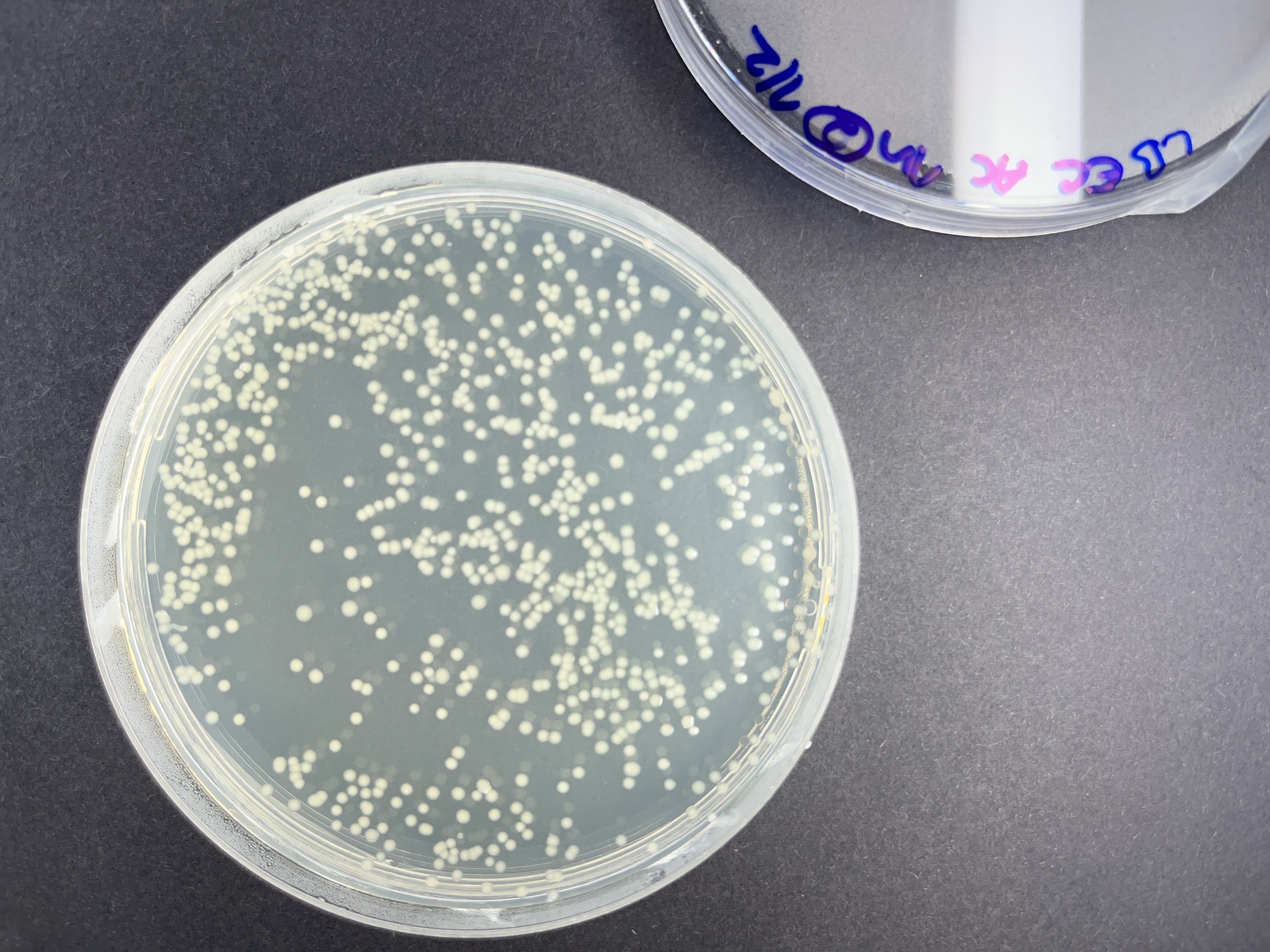
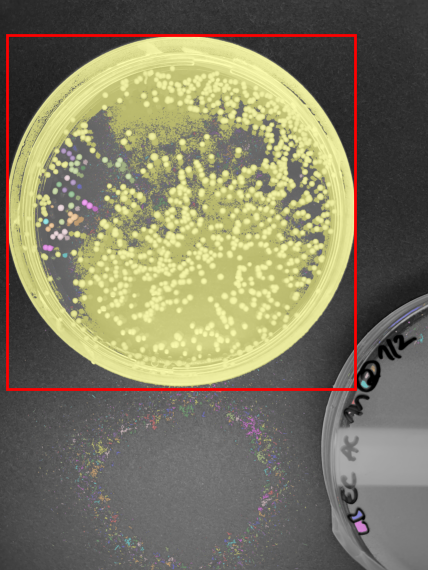
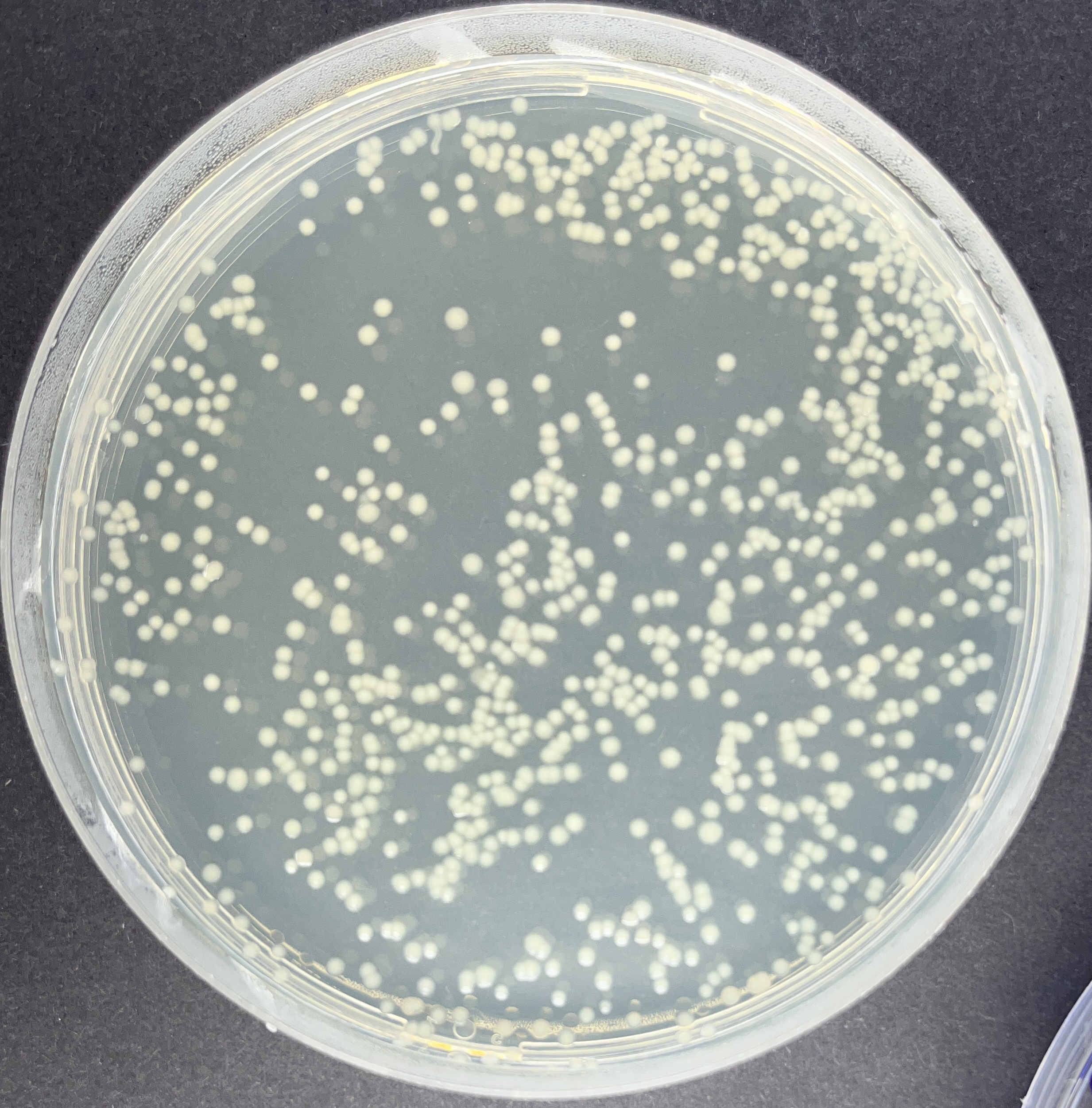
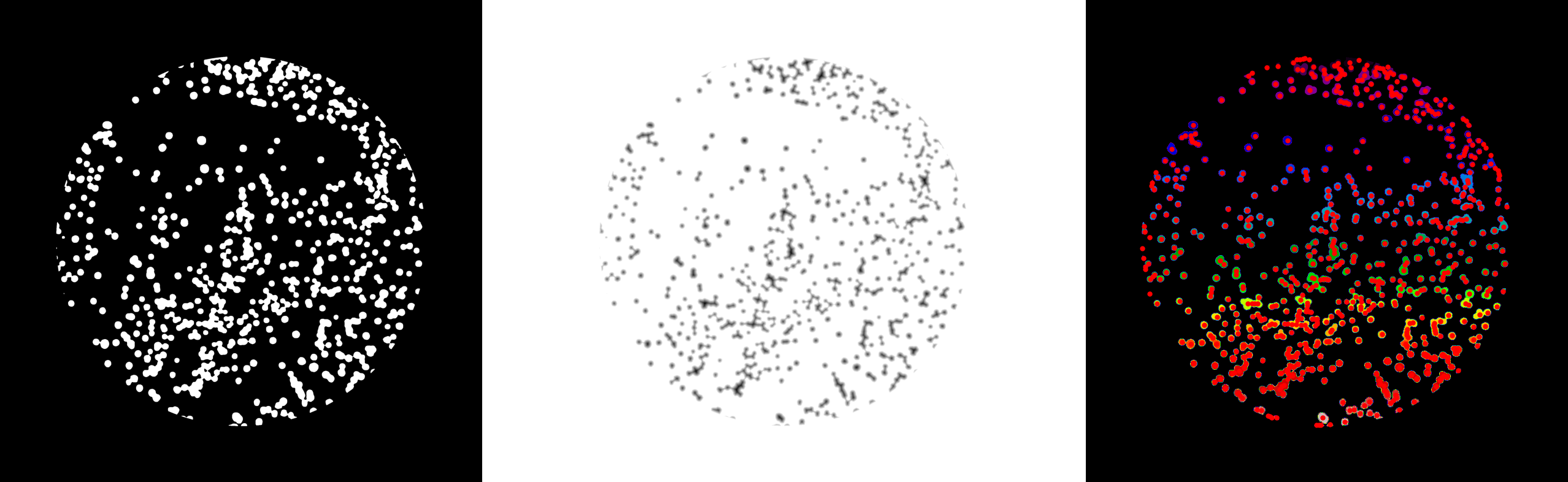
Researchers photograph petri dishes — often with handwritten labels, variable lighting, and multiple dishes per frame. Our pipeline locates each dish, reads and classifies the labels, then proceeds through segmentation to deliver per-dish colony counts, microorganism area, growth rate, live/dead quantification, and any additional metrics defined in the task brief. The entire sequence runs on each new batch of images with stable, reproducible results.
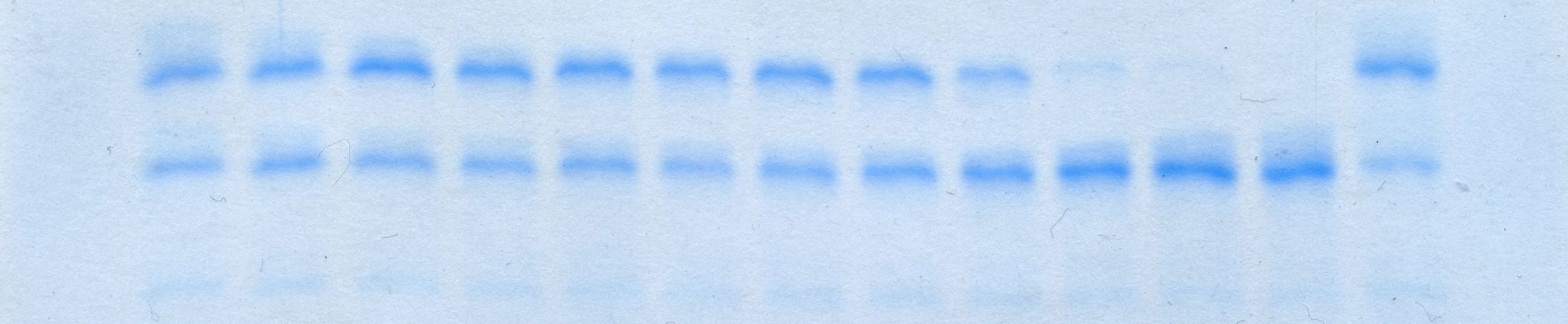
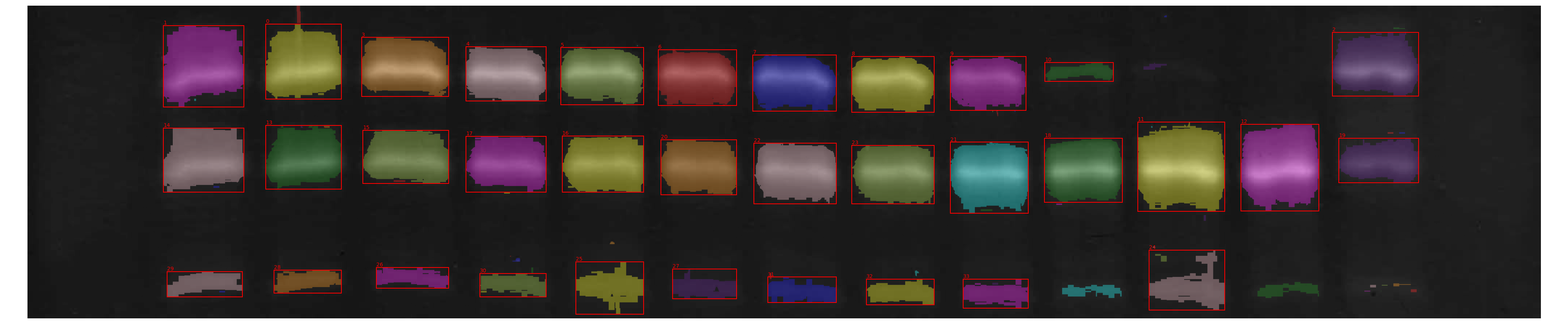
Gel scans are processed to detect and isolate individual bands across all sample lanes. The pipeline integrates band intensity, evaluates relative protein separation, and exports lane-by-lane data tables — all using the same core model adapted from the petri dish pipeline, demonstrating how a single architecture generalizes across experimental domains with minimal reconfiguration.
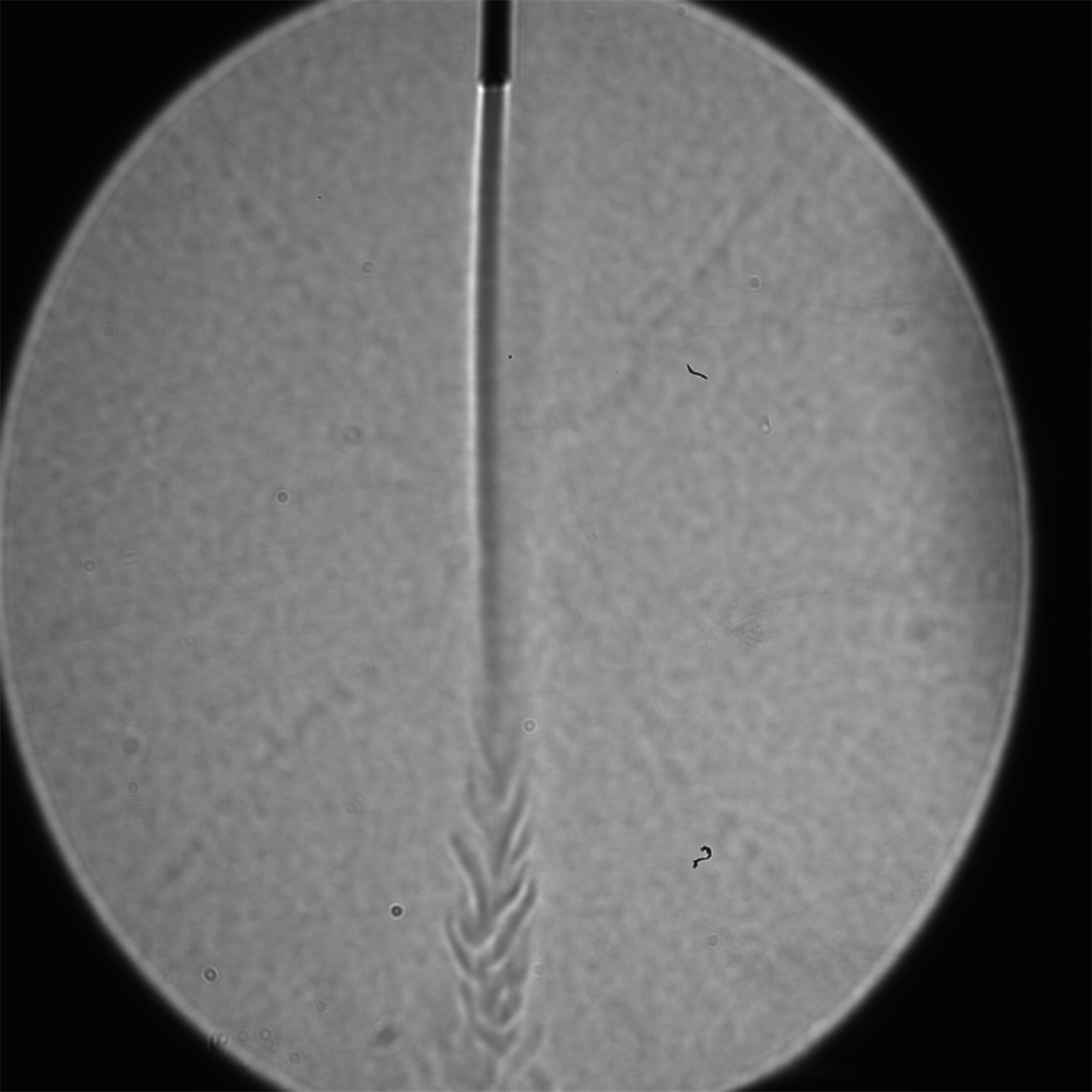
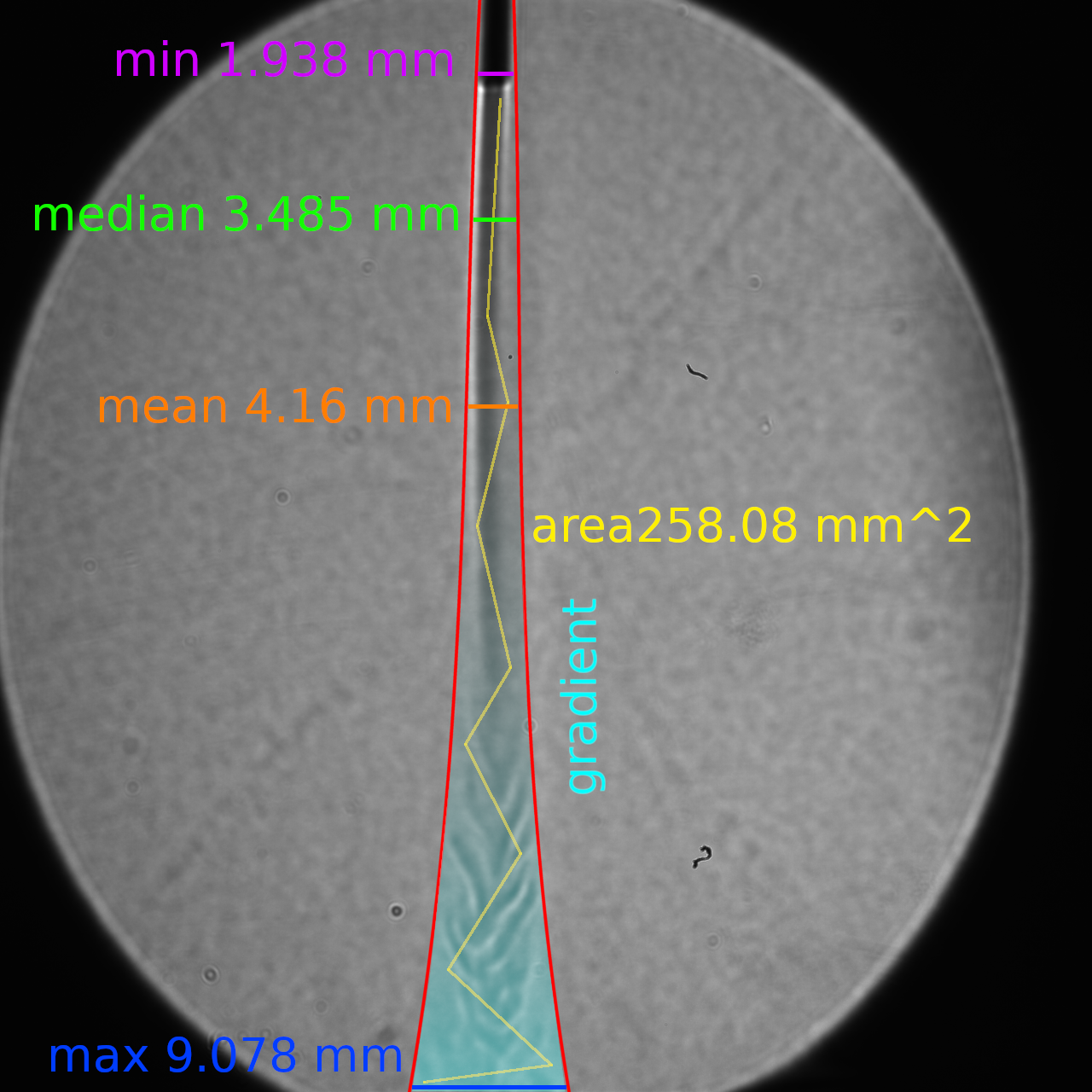
Schlieren imaging captures plasma-induced refractive index gradients invisible to the naked eye. Our pipeline preprocesses and stabilizes image sequences from optical setups, extracts density gradient and flow structure data, and performs quantitative intensity distribution analysis frame-by-frame. What previously required manual frame inspection across hundreds of images is reduced to a structured numerical output that feeds directly into the research team's analysis workflow.
フルスタック医療IoTデバイス開発 — パルドゥビツェ病院との共同研究
Active co-development project with the Hospital of Pardubice, covering the complete engineering stack of a clinical IoT medical device — from hardware and embedded firmware through to server-side infrastructure and data management.
The project spans real-time data acquisition, embedded signal processing, secure data transmission, and cloud-hosted analytics — developed under medical-grade constraints in direct collaboration with clinical staff.
End-to-end ownership of the device stack:
サイバーセキュリティデータ処理 — cyber.hextech.cz
Automated tooling for structured extraction, normalization, and analysis of security event data from heterogeneous sources. Built for research groups working on threat intelligence, anomaly detection, and security audit workflows.
Automated ingestion and normalization of security logs and event streams from diverse data sources into structured formats for downstream analysis.
Pattern extraction and correlation across multiple data inputs — supporting threat intelligence workflows and large-scale audit data processing.
Seeking research partnerships in network security, anomaly detection, and applied machine learning on cybersecurity datasets.
現在の研究連携機関
Research activities are supported by grant funding from the Technology Agency of the Czech Republic (Technologická agentura České republiky), enabling sustained development of applied AI research platforms.
In addition to public funding, HexTech Research maintains direct commercial relationships with clients, enabling applied development projects that complement and extend core research activities.
Auroraを活用した共同研究・論文実績
まずはお話しましょう — 研究連携のご相談
The best collaborations start with a conversation. If you are curious whether Aurora could fit your research workflow — or if you have data that is becoming a bottleneck — we would welcome a 30-minute introductory call to understand your work and explore what might be possible together.
No commitment required. We will listen, ask the right questions, and be direct about whether we can genuinely help. If there is a fit, we move to a small test batch at no cost so you can evaluate results before any further decision.
このプラットフォームの礎を築いてくださった方々へ、心より感謝申し上げます。